
Quick Answer
Lipedema is a medical condition that causes painful fat buildup in the legs and arms. Cellulite is a cosmetic skin-texture issue that affects 80-90% of post-pubertal women. Here's how to tell them apart — and why it matters.
Body Surgery
They look similar from the outside, but lipedema and cellulite are completely different — one is a chronic medical condition, the other is a cosmetic skin appearance. The right treatment starts with the right diagnosis.

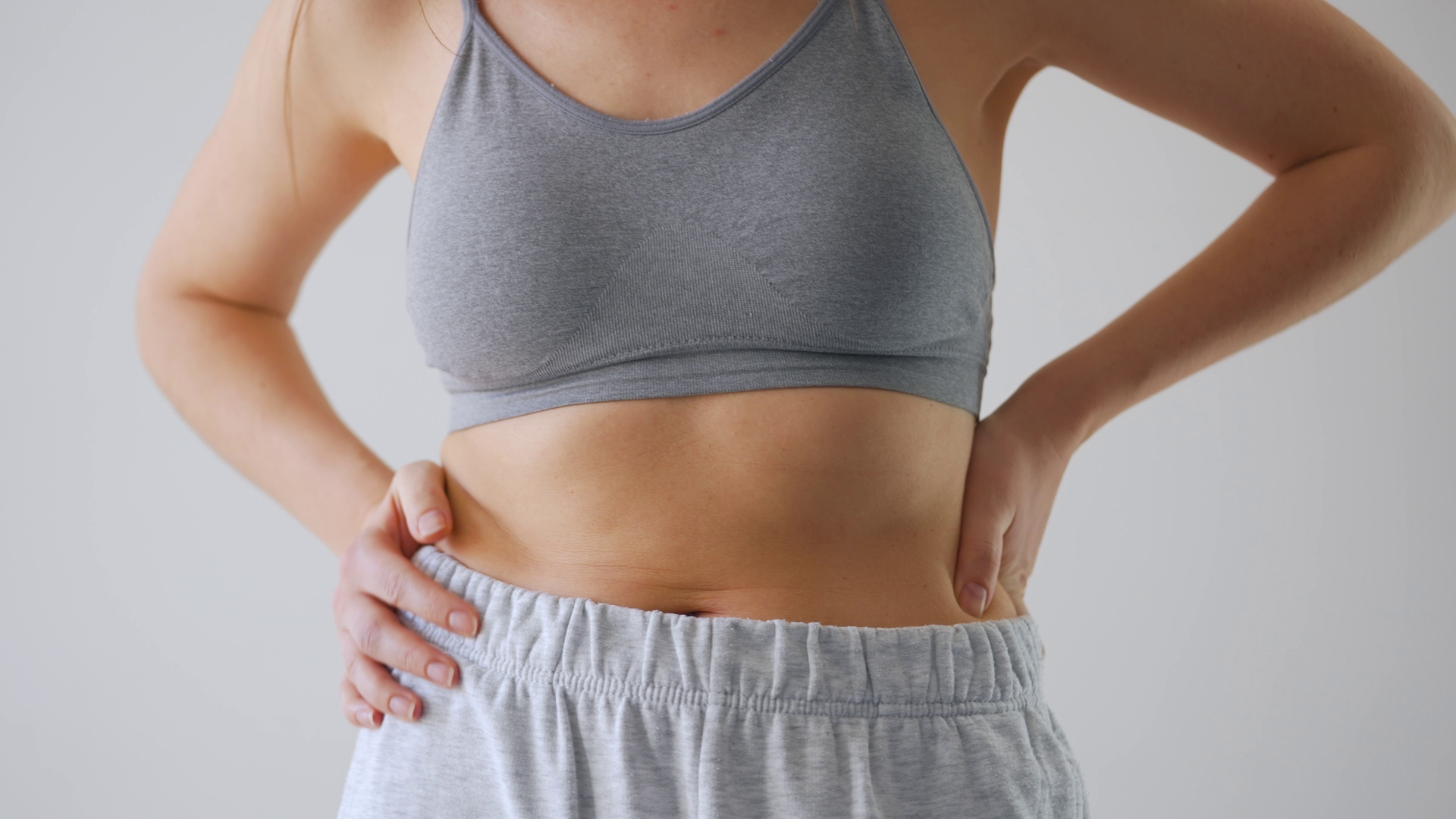
Lipedema is a medical condition that causes painful fat buildup in the legs and arms. Cellulite is a cosmetic skin-texture issue that affects 80-90% of post-pubertal women. Here's how to tell them apart — and why it matters.
Most lipedema specialists describe four clinical stages based on the appearance of the skin and underlying tissue. Understanding the staging helps patients recognize where they may be on the spectrum and what to expect over time:
Most medical schools spend very little time on lipedema. You may be told for a decade or longer that your body shape is the result of poor diet, lack of exercise, or "genetics" — without anyone naming the actual condition. The pattern is familiar. You gain lower-body weight during puberty. You try every diet through your twenties. You develop painful, bruise-prone legs in your thirties. You finally hear the word "lipedema" from a specialist in your forties. Earlier recognition matters, because conservative care and lymph-sparing surgery work best before stage 3.
Dermatologists generally describe cellulite using a four-grade scale based on what is visible at rest and what appears with movement or skin compression. Grading is helpful because different grades respond best to different treatments:
Because cellulite is so common, many patients assume their lower-body shape concerns are "just cellulite" when they may in fact reflect early lipedema. The reverse also happens — patients with cellulite are sometimes told they have lipedema and pursue invasive treatment they don't need. The starting point is an honest, expert evaluation.
| Attribute | Lipedema | Cellulite |
|---|---|---|
| What it is | A medical condition — abnormal fat that builds up in the legs and arms | A cosmetic skin-texture issue caused by tight bands under your skin |
| What causes it | Likely genetic and hormonal — often triggered by puberty, pregnancy, or menopause | Fibrous bands in the connective tissue pull on fat and create surface dimples |
| Where it appears | Symmetric in the hips, thighs, calves, and sometimes arms — feet and hands are spared | Mostly thighs, buttocks, and abdomen — bilateral but not perfectly symmetric |
| How it feels | Painful — tender to touch, bruises easily, can feel heavy | Cosmetic only — no pain, no bruising, no medical symptoms |
| Who tends to get it | ~11% of women, often with a family history; rarely affects men | 80–90% of post-pubertal women, regardless of body weight |
| Best treatment options | Compression, manual lymphatic drainage, anti-inflammatory diet, and staged lymph-sparing liposuction | Energy-based devices, structural treatments (Avéli, Cellfina), and topical retinoids |
| Will diet/exercise help? | Not for the lipedema fat itself — only for surrounding non-lipedema fat | Modest improvement at lower body fat; will not eliminate dimpling |
Use this quick checklist before your consultation. Check the boxes that match your experience — the side with more matches is more likely.
If you check several boxes on the lipedema side, the next step is a clinical exam by a clinician familiar with the condition.
No single lab test confirms lipedema. Diagnosis is clinical. Your clinician makes it from your history and a careful physical exam. Because lipedema is still under-recognized, you may be told for years that you "just need to lose more weight" — when in fact dieting alone cannot reduce lipedema fat.
Imaging (ultrasound, MRI) is rarely required but may help differentiate lipedema from lymphedema or other causes of lower-extremity swelling. In most cases, an experienced clinician can make the diagnosis from history and physical exam alone.
Lymph-sparing liposuction is different from cosmetic liposuction. The cannula (the thin tube used to remove fat) is angled to follow the direction of lymphatic drainage, protecting the lymph system from damage. We also adjust the volume of tumescent solution — the numbing fluid used during liposuction — to reduce stress on lymph channels. Anesthesia is calibrated for longer cases and slower fat removal.
Lipedema surgery dramatically reduces pain and improves mobility for most patients. But it does not "cure" lipedema — the condition is chronic, and ongoing conservative care after surgery is essential to maintain results.
Lipedema fat behaves differently from regular fat at the cell level. Lipedema fat cells resist the hormonal signals that normally trigger fat breakdown. That is why diet and exercise shrink your abdomen, face, and upper body but leave your lower body disproportionately full. You may lose 30, 50, or even 100 pounds and find your thighs and calves look proportionally larger than before. This is not a failure of effort. It is a feature of the disease — and one of the strongest clues that lipedema, not simple stubborn fat, is at play.
The most effective long-term plan typically combines three pillars: conservative care (compression, manual lymphatic drainage, anti-inflammatory diet), staged lymph-sparing liposuction when indicated, and treatment of coexisting conditions such as venous insufficiency, hypothyroidism, or polycystic ovary syndrome that can amplify symptoms. Because lipedema patients are often misdiagnosed for years before treatment begins, mental-health support and patient-advocacy groups can be valuable parts of the care plan.
Patients who pursue surgery should plan their schedule carefully. Each stage typically requires several days of downtime, several weeks before returning to higher-impact activity, and several months in compression. Stages are usually spaced at least eight to twelve weeks apart so the lymphatic system has time to recover between sessions.
Patients who want to understand whether their concern is fat, skin, or a medical condition often benefit from reading our companion guide on loose skin vs stubborn fat — three distinct issues that frequently coexist in the lower body.
No treatment eliminates cellulite permanently, but several approaches can improve its appearance:
Skin tightening procedures may help when cellulite is accompanied by skin laxity. The most durable improvements come from combination treatments that address fat volume, skin quality, and the underlying fibrous bands together — rather than relying on a single device or topical alone.
If several of these apply, the next step is a clinical exam by a clinician who is comfortable diagnosing lipedema and discussing both conservative care and surgical options.
For patients with cellulite: targeted body-contouring procedures, energy-based skin tightening, and combination treatments that address fat, skin, and structural causes. We tailor the plan to your skin quality, body fat percentage, and lifestyle — not to a one-size-fits-all device protocol.
For patients with suspected lipedema: a careful evaluation, with referrals to lipedema specialists when surgical intervention is indicated. Elevé Cosmetic Surgery is dedicated to providing patients with realistic expectations and the right treatment path — even when that means recommending a different specialist for a specific stage of care.
Want to learn more about the surgeon writing this article? Read Dr. Gevork Tatarian's full bio or call (786) 305-7548 to schedule an in-person consultation in Davie.
See our liposuction options with Dr. Gevork Tatarian in Davie.
Book a consultation with Dr. Gevork Tatarian in Davie. We'll examine you, identify the most likely cause, and walk you through realistic treatment options — including referrals to lipedema specialists when needed.