
"Hip dips" — also called violin hips or trochanteric depression — describe the inward curve some bodies show where the hip meets the outer thigh. They are anatomy, not a flaw, and they appear regardless of fitness level or body weight. Many patients still want to soften the transition for a smoother, more continuous hip-to-thigh silhouette. This guide covers what hip dips actually are, why creams and exercises don't change the contour, how fat transfer fixes it, what recovery looks like, the realistic limits of the procedure, and the safety considerations you should understand before booking. Whether you are considering standalone hip dip correction or combining it with a Brazilian Butt Lift, the decisions made before surgery — donor sites, volume goals, surgeon technique — matter more than any marketing label.
Body Surgery
Hip Dips Correction: Fat Transfer Options for a Smoother Silhouette
"Hip dips" — the inward curve where the hip meets the outer thigh — are anatomy, not a flaw. Fat transfer is the procedure that actually changes the contour.

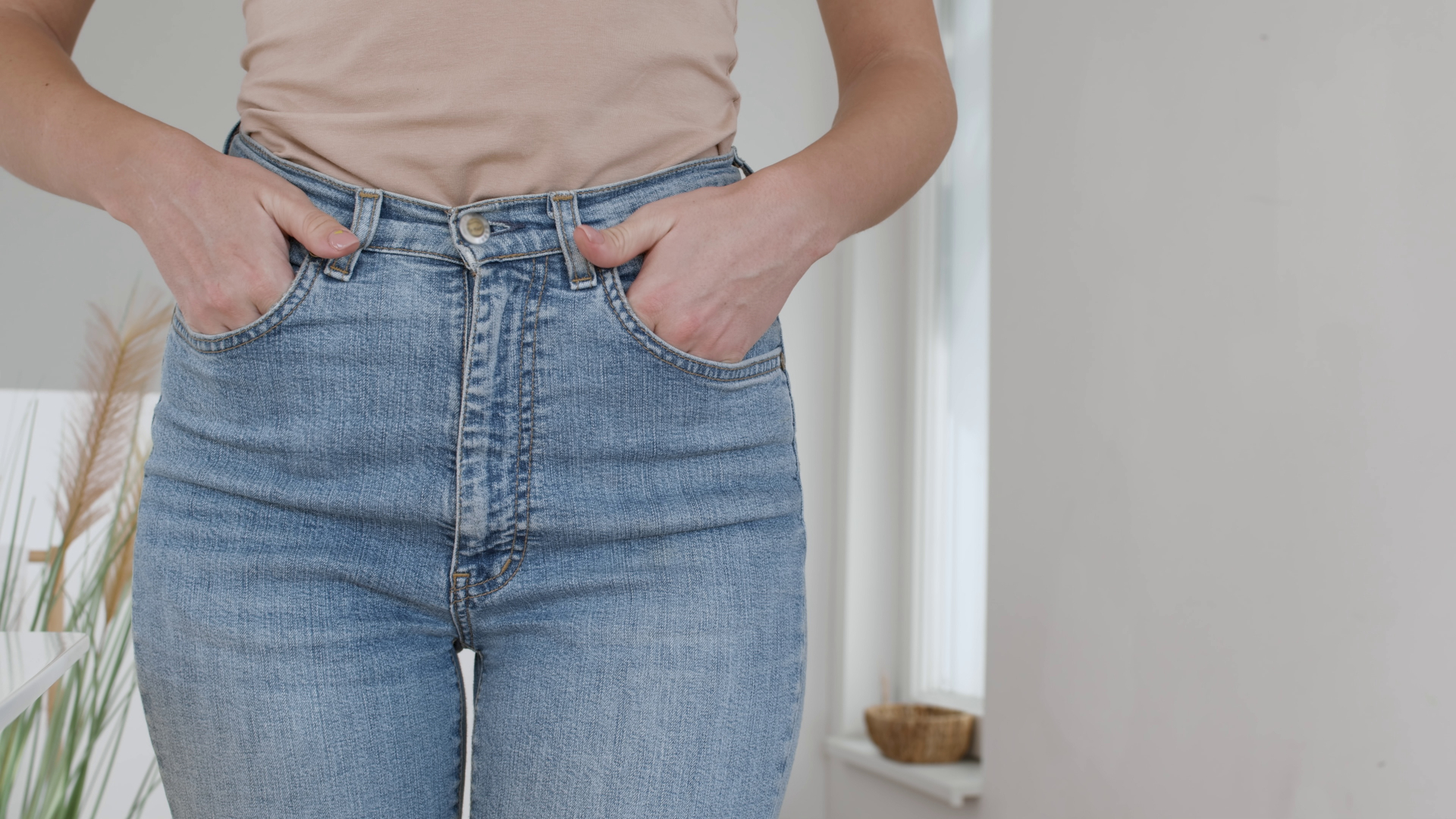
What Hip Dips Actually Are
- Anatomy: Hip dips are a trochanteric depression — the natural indentation between the iliac crest (top of the pelvis) and the greater trochanter (the bony bump at the top of the femur). The skin and soft tissue dip inward where there is no underlying bone or muscle to fill the space.
- Skeletal vs soft-tissue contribution: The depth of the dip depends on both your skeletal width (distance between iliac crest and greater trochanter) and how much subcutaneous fat sits over that gap. Wider pelvic anatomy with thinner overlying fat produces more visible hip dips.
- Why some bodies show them more: Pelvic width, hip-to-waist ratio, fat distribution patterns, and overall body fat percentage all influence visibility. Genetics determine the skeleton; lifestyle changes the soft-tissue layer over it.
- They are normal. Hip dips are a normal anatomical variant present in a large share of the adult population. Correcting them is a cosmetic preference, not a medical correction.
Why Exercise and Cream Won't Fix Hip Dips
- You cannot spot-train bone structure. The depression sits over a region of the pelvis where there is no muscle to grow into the gap. No amount of training changes the underlying skeletal contour.
- Glute exercises target the wrong muscles. Squats, hip thrusts, and abductor work build the gluteus medius, gluteus minimus, and tensor fasciae latae. These muscles sit posteriorly and superiorly — they don't fill the lateral hip depression where dips occur.
- Topical products do nothing structural. Creams, contouring serums, and "hip dip" lotions cannot add tissue volume. The marketing of these products consistently overstates what's biologically possible.
- Weight gain is non-targeted. Gaining weight to fill the dips also adds fat everywhere else. Most patients don't want a higher overall body fat percentage as a trade-off for hip volume.
The only way to change the contour permanently is to add volume directly into the depression — which is what fat transfer does.
Fat Transfer for Hip Dips (The Standard Approach)
- Step 1 — Liposuction harvest. Using liposuction, fat is harvested from the abdomen, flanks, lower back, or inner thighs (whichever donor sites have adequate volume and would benefit aesthetically from contouring).
- Step 2 — Purification. Harvested fat is processed to separate viable fat cells from blood, oil, and tumescent fluid. The cleaner the graft, the better the survival rate.
- Step 3 — Strategic injection. Purified fat is injected through small entry points into the trochanteric depression in fine, layered passes. The goal is even distribution in the subcutaneous plane — never deeper than that.
- Combined with BBL. When patients also want posterior glute volume, hip dip correction is combined with a Brazilian Butt Lift in the same operation, using fat harvested during the same lipo session.
- Why fat transfer beats implants for hip dips. Hip implants migrate, can become palpable, and have a higher complication profile in this anatomic area. Fat transfer feels natural, integrates with native tissue, and avoids hardware-related issues.
Hip Dip Correction vs Brazilian Butt Lift
| Factor | Hip Dip Correction | Brazilian Butt Lift |
|---|---|---|
| Goal | Lateral fill of the trochanteric depression — smoother hip-thigh line | Posterior projection and overall glute volume |
| Donor sites | Abdomen, flanks, thighs (smaller volume needed) | Abdomen, flanks, lower back (larger volume needed) |
| Recovery overlap | No direct pressure on hips for 2 weeks | No sitting on glutes for 2 weeks |
| Combined? | Most patients combine — same operation, same recovery, balanced silhouette | |
Patients who want only lateral correction may have hip dip fat transfer alone. Those who want both a wider hip and a fuller posterior almost always benefit from combining the two — the lipo and recovery happen once, not twice.
Recovery Timeline
- First 2 weeks: No sitting or lying directly on the glutes/hips. Sleep on your stomach or side. Use a BBL pillow when sitting is unavoidable (driving, eating). Walk frequently in short sessions to reduce clot risk.
- Weeks 2-6: Continue BBL pillow when seated. Wear compression garments as directed — they reduce swelling and help shape the donor sites. Most patients return to desk work between weeks 2-3.
- Month 3+: Final contour becomes visible as swelling resolves and fat graft survival stabilizes. Resistance training and high-impact activity can resume around weeks 6-8 with surgeon clearance.
- Fat survival rate: Approximately 60-80% of transferred fat survives long-term. Surgeons inject more than the desired final volume to account for this. The fat that survives the first 3-6 months is generally permanent.
Realistic Results
- Smoother hip-to-thigh transition, not a perfectly straight line. Because the depression is anchored to bone, complete elimination is not achievable. Patients should expect softening, not erasure.
- Volume retention varies. Two patients receiving identical procedures can have different graft survival based on their physiology, post-op compliance, weight stability, and smoking status.
- Touch-up rates. A subset of patients pursue a second smaller fat transfer 6-12 months out to refine asymmetries or boost volume in specific areas. This is planned for in advance, not treated as a failure.
- Ideal candidates have adequate donor fat. Patients near or at their goal weight with good elasticity in donor regions tend to have the most predictable outcomes. Very lean patients may need to defer surgery until donor fat is available.
Risks and Safety Considerations
- Fat embolism (rare). Historically the highest-profile risk in fat-grafting procedures. The risk is essentially eliminated when fat is injected only into the subcutaneous plane (never into or below muscle). Elevé follows the post-Multi-Society Task Force safety guidelines, which include subcutaneous-only injection, ultrasound-assisted technique where appropriate, and strict cannula control.
- Asymmetry. Some asymmetry between sides is common during the swelling phase and usually resolves by month 3-6. Persistent asymmetry can be addressed with a touch-up.
- Contour irregularity. Minor lumpiness or rippling can occur, particularly if too much fat is placed in one area. Massaging per surgeon instruction and time generally resolve mild irregularities.
- Fat necrosis. Some grafted fat does not survive and can be reabsorbed. In rare cases, non-surviving fat forms a firm nodule that requires aspiration.
- Standard surgical risks: infection, bleeding, scarring at donor sites, anesthesia-related events, blood clots.
- Surgeon technique matters more than any other factor. Outcomes and safety in fat transfer are operator-dependent. Verify board certification, ask how many of these procedures the surgeon performs annually, and review actual before-and-afters from their practice — not stock images.
Why Choose Elevé for Hip Dip Correction
- Double board-certified cosmetic surgeon. Dr. Gevork Tatarian is fellowship-trained with sub-specialty focus in body contouring and hip/buttock procedures.
- AAAASF-accredited surgical facility in Davie — held to the highest national standards for outpatient surgical safety.
- Same surgeon, start to finish. Your consulting surgeon performs your operation and personally supervises your recovery — not a rotating team.
- Financing options. CareCredit, Cherry, and PatientFi let qualified patients spread the cost into fixed monthly payments. See our Insurance & Financing page for details.
- Honest candidacy assessment. If hip dip correction isn't the right procedure for you — or if you'd benefit from combining with BBL or a lower body lift — we'll tell you at consultation.
Frequently Asked Questions
Ready to schedule a consultation?
See our Brazilian butt lift procedure with Dr. Gevork Tatarian in Davie.
Schedule Your Hip Dip Consultation
Book a consultation with Dr. Gevork Tatarian in Davie. We'll evaluate your anatomy, donor fat, and aesthetic goals — and walk you through whether hip dip correction alone, a BBL, or both is the right plan for your body.