Elevé Cosmetic Surgery logo

    Body Surgery

    Plus-Size Body Contouring: A Realistic Guide for Higher-BMI Patients

    BMI thresholds, staged surgical planning, and what plus-size patients can realistically expect from body contouring — written for the patients most surgeons turn away.

    Dr. Gevork Tatarian
    By Dr. Gevork TatarianDouble Board-Certified Cosmetic SurgeonPublished May 6, 2026 · 10 min read · Updated May 8, 2026
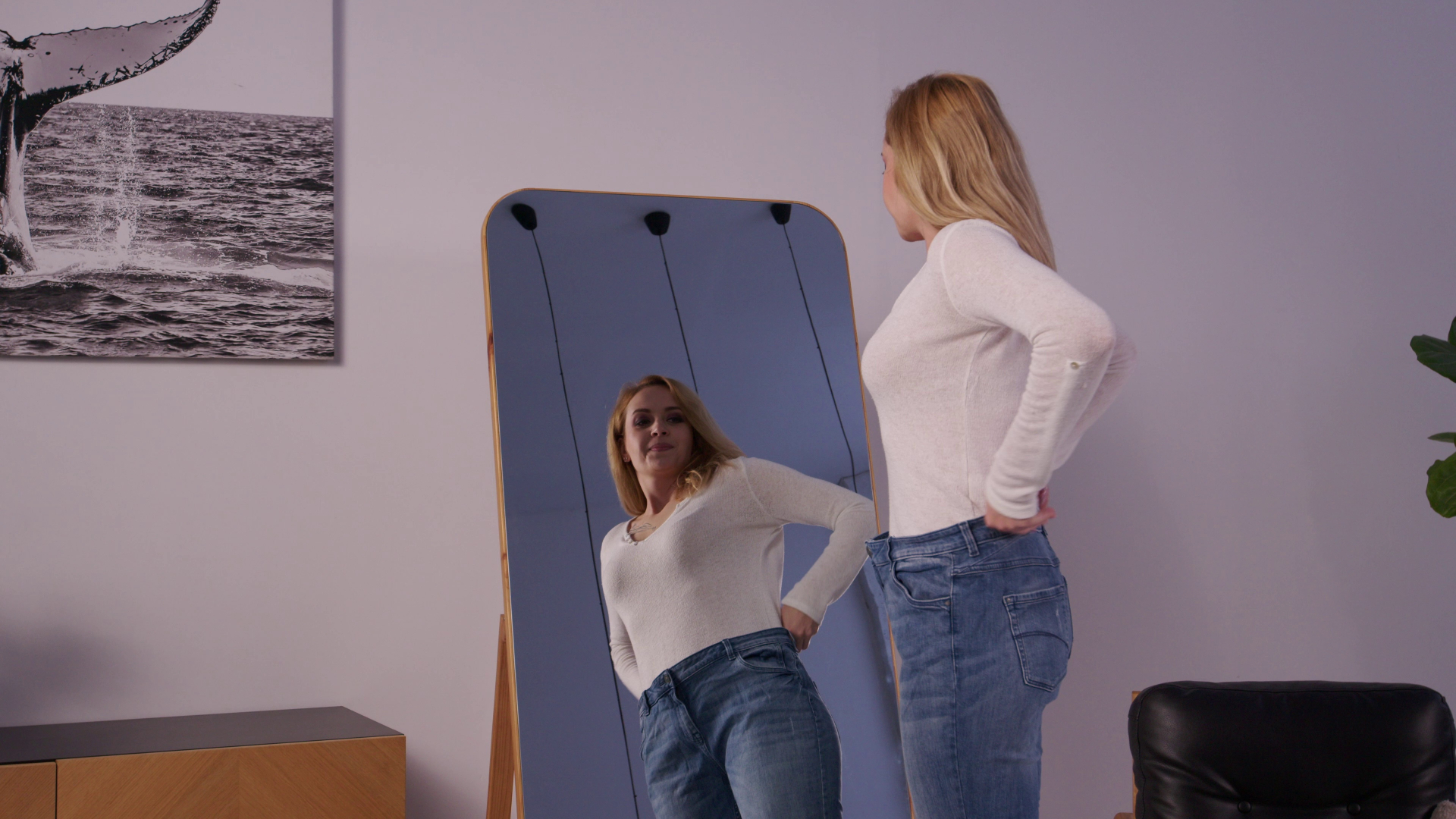
    Plus-size body contouring consultation at Elevé Cosmetic Surgery in Coral Gables

    Plus-size patients are routinely turned away by surgeons unwilling to work above a BMI of 30 to 35. The rejection often comes after weeks of research, a long drive to the consultation, and the courage it took to walk through the door. Hearing "we don't operate on patients your size" — without an actual evaluation — is demoralizing and, in many cases, medically inaccurate.

    At Elevé Cosmetic Surgery in Coral Gables, we evaluate every patient individually rather than by a single number on a chart. Some plus-size patients are excellent surgical candidates with appropriate planning. Others genuinely need to lose weight first — but they deserve a clear explanation of why, and a path forward. This guide covers what's safe, what's staged, what's not appropriate, and what to ask before you book.

    Why BMI Matters (But Isn't Everything)

    Most outpatient surgical centers cap elective body contouring at a BMI of 30 to 35. The number isn't arbitrary — it reflects a meaningful jump in measurable surgical risk:

    • Anesthesia risk increases with body mass: airway management is harder, drug dosing is more complicated, and recovery from anesthesia takes longer.
    • DVT and pulmonary embolism rates climb with higher BMI, especially in long surgeries with limited intraoperative mobility.
    • Wound healing is slower in fatty tissue, which has poorer blood supply than muscle and skin.
    • Seroma rates (fluid collections under the skin) are higher in plus-size body contouring, particularly in tummy tuck and skin removal procedures.

    Why a single number is incomplete

    BMI ignores muscle mass, fat distribution, comorbidities, age, and smoking status. A muscular patient at BMI 33 with no other risk factors is medically very different from a sedentary patient at BMI 33 with poorly controlled diabetes and a smoking history. Treating both as identical is medically lazy.

    The Elevé approach

    • Medical clearance from your primary care physician — and cardiac evaluation when clinically indicated.
    • A full review of comorbidities (diabetes, hypertension, sleep apnea) before deciding what is or isn't safe.
    • Individualized risk stratification by board-certified cosmetic surgeon Dr. Tatarian, not a one-size-fits-all cutoff.
    • Honest conversation when weight loss is needed first — including referral pathways like our weight loss medication program.

    Procedures That Work for Plus-Size Patients

    Liposuction (with limits)

    Liposuction can play a role for plus-size patients, but the volume that can be safely removed in a single outpatient session is capped at roughly 5 liters of aspirate. Aggressive single-session lipo above that threshold is associated with fluid shifts, hypothermia, and serious complications. Plus-size patients usually need either staged lipo across multiple sessions or — more commonly — a combined approach with skin removal.

    Tummy Tuck and Panniculectomy

    For patients with a hanging abdominal pannus, panniculectomy may be the most impactful procedure available — and may even be insurance-covered when documented as medically necessary. Patients with a smaller but symptomatic apron may also be candidates for apron belly surgery. A full tummy tuck (with muscle repair) is appropriate for some plus-size patients but is sometimes deferred until after panniculectomy and weight loss.

    Skin Removal Surgery After Major Weight Loss

    Patients who have lost significant weight — through bariatric surgery, GLP-1 medication, or sustained lifestyle change — are often left with redundant skin that does not retract. Skin removal surgery is the definitive treatment for this and is usually staged across multiple operations.

    Arm Lift, Thigh Lift, Lower Body Lift

    Targeted skin-removal procedures — arm lift (brachioplasty), thigh lift, and lower body lift — address regions where loose skin is most visible and most functionally limiting. These are typically performed in stages rather than combined into one marathon operation.

    Breast Reduction

    Breast reduction is one of the highest-satisfaction procedures we perform — and it's frequently covered by insurance for patients with documented back, neck, or shoulder pain, postural changes, or chronic intertriginous rashes. For many plus-size patients, this is the single most life-changing surgery available to them.

    Why Staged Surgery Is Often Safer

    "Just do everything at once" sounds appealing, especially when travel and time off are involved. But combining multiple body-contouring procedures into a single 4+ hour operation dramatically increases complication rates — particularly DVT/PE, blood loss, hypothermia, and wound healing problems. The increase is steeper for higher-BMI patients.

    A typical two-stage example

    • Stage 1: Panniculectomy (often insurance-supported), with full healing over 3-6 months.
    • Stage 2: Arm lift and thigh lift, performed 4-6 months later once the first surgery is fully healed and weight is stable.
    • Optional Stage 3: Breast reduction or breast lift after the first two stages have healed.

    Planning financially for staged work

    Staged plans are easier to finance than a single mega-procedure. We accept CareCredit, Cherry, and PatientFi — and most plus-size patients combine insurance coverage (where applicable), savings, and patient financing to fund the full plan over 1-2 years. See our Insurance & Financing page for a side-by-side comparison.

    Realistic Expectations for Plus-Size Results

    • Skin elasticity is reduced at higher BMI. The skin has been stretched for longer and recoils less after fat is removed.
    • Lipo alone rarely satisfies plus-size patients. The fat goes, but loose skin is left behind and the contour can look worse before it looks better.
    • Pairing skin removal with contouring is almost always the more durable answer for higher-BMI patients.
    • The goal is contour change, not weight loss. Body contouring is not a weight-loss tool — it reshapes what's there. Patients sometimes feel disappointed by the scale post-op even when their reflection is dramatically improved.

    For more on this distinction, see our guide to loose skin vs stubborn fat.

    Pre-Surgical Optimization Checklist

    • Medical clearance and labs: CBC, metabolic panel, coagulation studies, and EKG when indicated. Cardiology clearance if there's any concern.
    • Smoking cessation 6+ weeks pre-op: non-negotiable. Nicotine in any form (cigarettes, vapes, nicotine gum) dramatically increases wound healing complications.
    • Stable weight 3-6 months pre-op: ideally within 10-15 lbs of where you'll be at surgery. Active weight loss during recovery changes the surface area of skin that needed to be removed.
    • GLP-1 medication coordination: Ozempic, Wegovy, Mounjaro, and Zepbound are typically held before surgery on a schedule we coordinate with your prescriber. Don't stop on your own — talk to us.
    • Nutrition and protein loading: 80-100g of protein daily for 2-4 weeks pre-op helps wound healing, especially in plus-size patients.
    • DVT prophylaxis plan: compression devices intraoperatively, early ambulation post-op, and chemical prophylaxis (e.g., low-molecular-weight heparin) when risk-stratified to need it.

    What to Ask in a Plus-Size Consultation

    Bring this list. A surgeon who refuses to answer specifically — or who waves you off with "you'll be fine" — is not the right surgeon for a higher-BMI body contouring case.

    1. What is your maximum BMI for this specific procedure?
    2. Will you require medical clearance, and from whom?
    3. What are my staged options vs a single-stage plan?
    4. What are your seroma and wound-healing rates for higher-BMI patients?
    5. What is the volume limit for liposuction in one session?
    6. Do you operate in a hospital or an AAAASF-accredited facility?
    7. What is your DVT prophylaxis protocol?
    8. How long is the expected recovery for someone at my BMI?
    9. What financing options do you accept (CareCredit, Cherry, PatientFi)?
    10. Can I see before-and-after photos of patients with a similar starting BMI?

    Why Choose Elevé for Plus-Size Body Contouring

    • Dr. Gevork Tatarian is a double board-certified cosmetic surgeon (ABCS & ABS) with focused experience in plus-size body contouring.
    • Coral Gables location at 550 Biltmore Way, Suite 105.
    • AAAASF-accredited surgical environment with full anesthesia and monitoring capability.
    • Individualized evaluation, not blanket BMI rejection. We'll tell you honestly what's safe, what should be staged, and what should wait.
    • Insurance navigation when applicable, plus financing through CareCredit, Cherry, and PatientFi when not. See our Insurance & Financing page.

    Frequently Asked Questions

    Individual results vary. All surgical procedures carry risks including bleeding, infection, scarring, and adverse anesthesia events. Candidacy is determined by board-certified cosmetic surgeons after in-person evaluation. This content is educational and does not constitute medical advice.

    Schedule Your Plus-Size Consultation in Coral Gables

    We'll evaluate your individual risk profile, walk you through staged options, and tell you honestly what's safe and what isn't. No blanket BMI rejections — just a real plan.

    550 Biltmore Way, Suite 105 · Coral Gables, FL 33134 · M-F 9 AM - 6 PM

    We use cookies to enhance your experience and analyze site traffic. By clicking "Accept", you consent to our use of analytics cookies. Learn more