

Elevé Cosmetic Surgery logo

    Body Contouring

    What to Expect After RibXcar: A Week-by-Week Recovery Guide

    RibXcar recovery is measured in weeks, not months. Here is a complete guide to downtime, compression garment use, and returning to normal activity.

    Dr. Gevork Tatarian
    By Dr. Gevork TatarianDouble Board-Certified Cosmetic SurgeonPublished July 11, 2026 · 9 min read · Updated July 11, 2026
    Editorial still life of loungewear, compression wrap, and a glass of water symbolizing calm RibXcar recovery at Elevé Cosmetic Surgery

    Quick Answer

    RibXcar recovery typically follows this timeline: garment worn 24/7 for the first weeks, return to desk work at weeks 2 to 3, driving in week 2, light cardio at week 4, full gym clearance at week 6, and final results settling in over 3 to 6 months. Faithful compression garment use is the single most important factor in your final result. Recovery is meaningfully shorter and less painful than traditional rib removal.

    The Day of Surgery

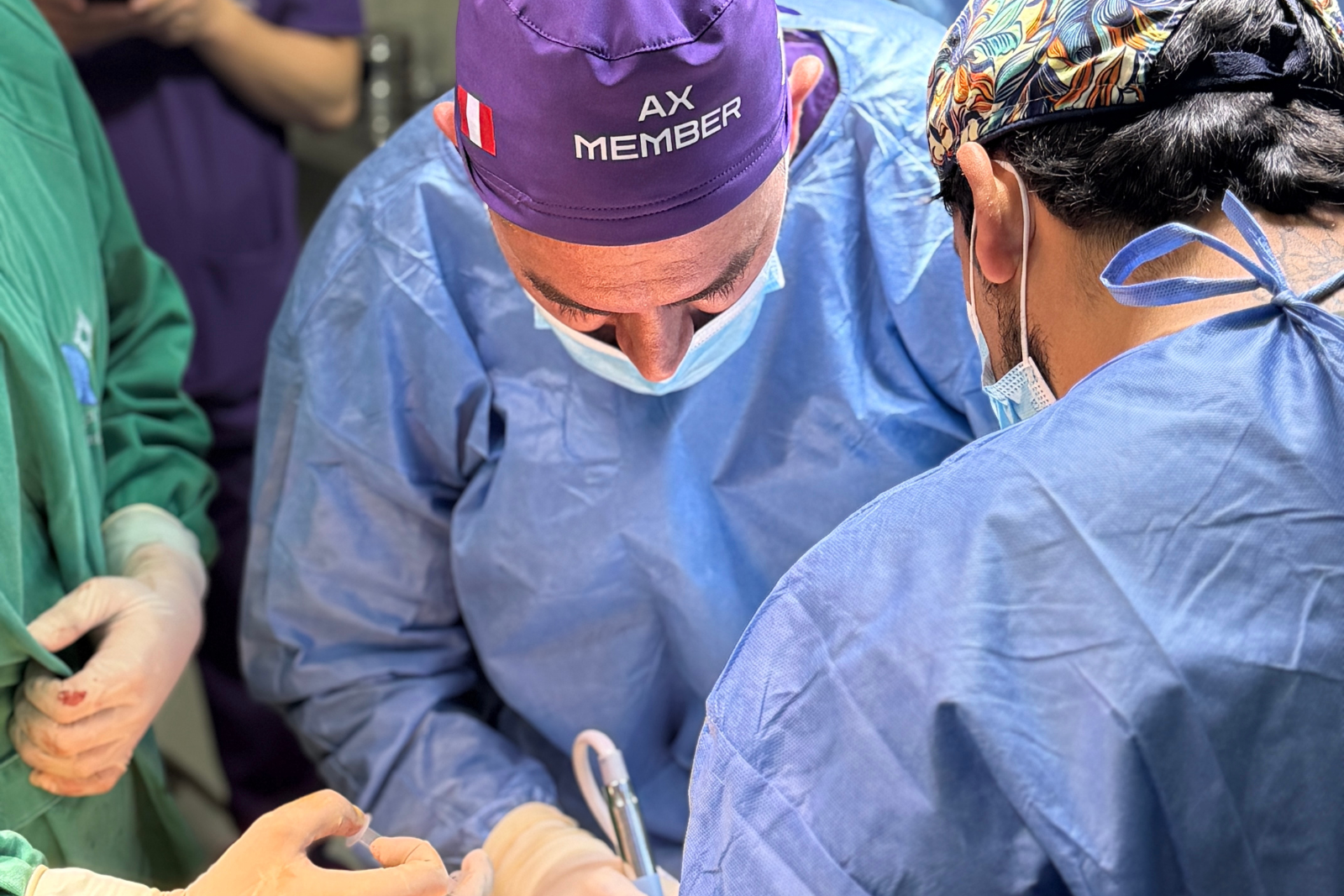
    RibXcar is performed under anesthesia and typically takes 60 to 90 minutes as a standalone procedure. Combined with other body contouring, total operating time is longer.

    You wake up in recovery with your compression garment already in place. Most patients feel a sensation best described as pressure or a dull ache rather than sharp pain. Because RibXcar does not require a traditional surgical incision, immediate post-op pain is much lower than most patients expect.

    You are discharged home the same day with detailed care instructions, prescriptions for pain management, and a clear timeline for your first follow-up visit.

    Week 1: Rest and Adjustment

    • Compression garment: Worn 24/7. This is the single most important instruction of your recovery.
    • Movement: Short, gentle walks around your home starting day 1.
    • What to avoid: Bending, lifting anything over 5 pounds, twisting of the torso, hot showers over the surgical area.
    • Discomfort level: Mild to moderate. Well controlled with prescribed medication or over-the-counter pain relievers.
    • Sleep: Slightly elevated position. Back sleeping is easiest.
    • Diet: Return to normal. Hydration and protein support bone healing.

    Many patients feel well enough by the end of week 1 to do very light desk-based work from home.

    Weeks 2 to 3: Returning to Light Activity

    • Compression garment: Still worn 24/7 (removed only briefly for hygiene).
    • Movement: Longer walks. Light household activity.
    • Work: Most patients with desk-based jobs return between end of week 2 and end of week 3.
    • Driving: Typically cleared once off prescription pain medication and comfortable moving freely, usually week 2.
    • What to still avoid: Twisting, heavy lifting, aggressive stretching, gym workouts.

    Bruising and swelling continue to subside during this window.

    Weeks 4 to 6: Ramp Back Up

    • Compression garment: Worn full-time during the day. Some patients transition to nighttime-only wear at the end of this window, per Dr. Tatarian's guidance.
    • Exercise: Light cardio around week 4. Full gym clearance typically at week 6.
    • What to still avoid: Contact sports, deadlifts, heavy core work, activities involving forceful twisting.
    • Follow-up visit: Typically scheduled during this window.

    Weeks 6 to 12: Full Activity, Continued Garment

    • Compression garment: Continued daily wear through the 8 to 12 week mark, gradually reducing hours over time. Nighttime wear may continue longer.
    • Exercise: Full clearance for weight training, high-intensity workouts, and full range of motion.
    • Work: All activities fully cleared.
    • Sleep: Any position comfortable.

    Months 3 to 6: Final Result Settles In

    • Swelling fully resolves.
    • Final waist definition becomes visible.
    • Compression garment use tapers off entirely per Dr. Tatarian's guidance.
    • Final aesthetic result is now visible.

    This is the point at which we typically photograph before-and-after documentation.

    Recovery varies. Always follow your individualized post-op instructions; the timeline above is a general reference, not a guarantee.

    Optimizing Your Recovery

    • Wear the garment religiously. This cannot be overstated.
    • Follow movement restrictions. Twisting or heavy lifting too early can disrupt healing.
    • Prioritize protein. Bone healing requires it. Aim for 100+ grams daily during the first 6 weeks.
    • Stay hydrated. Water supports every element of healing.
    • Do not smoke. Nicotine directly impairs bone healing.
    • Sleep enough. Most healing happens overnight.
    • Show up for your follow-ups. We adjust your plan based on how you are actually healing.

    Warning Signs to Call Us About

    Contact Elevé immediately if you experience:

    • Fever over 101°F.
    • Sudden severe pain.
    • Redness, warmth, or drainage at the puncture site.
    • Sudden increase in swelling or asymmetry.
    • Shortness of breath or chest pain (call 911).
    • Any concerns that do not feel right.

    We monitor every RibXcar patient closely during recovery.

    Why Choose Elevé

    • Same surgeon, start to finish. Dr. Gevork Tatarian personally supervises your recovery, not a rotating resident or PA.
    • Formally trained in RibXcar. Dr. Tatarian trained directly under Dr. Manzaneda Cipriani.
    • Structured follow-up protocol. Multiple check-ins during the first 6 months.
    • Financing. CareCredit, Cherry, and PatientFi.

    Frequently Asked Questions

    Individual results vary. All surgical procedures carry risks. This content is educational and does not constitute medical advice.

    Schedule Your Consultation

    Book a consultation with Dr. Tatarian in Davie to walk through your personalized RibXcar recovery plan.

    Schedule Your Consultation

    We use cookies to enhance your experience and analyze site traffic. By clicking "Accept", you consent to our use of analytics cookies. Read our Privacy Policy